
Verandah Brush Removal Services
Choose our Brush Removal service for fast, thorough, and eco-friendly clearing that keeps your property safe, beautiful, and ready for your next project.
Get a Free QuoteOur Verandah Landscaping & Yard Care Services
When to Schedule Brush Removal in Verandah, Florida – Seasonal Guide
In Verandah, Florida, timing your brush removal is crucial for maintaining a healthy and attractive landscape. The region’s subtropical climate means that vegetation grows rapidly, especially during the warm, humid months. Optimal brush removal is typically scheduled in late winter to early spring, just after the last frost date and before the onset of the rainy season. This timing helps prevent regrowth and minimizes the risk of spreading pests or diseases. Neighborhoods near the Orange River or close to the Verandah Club often experience dense undergrowth due to higher humidity and shade coverage, making regular maintenance essential.
Local environmental factors such as sandy soils, periodic drought risk, and municipal guidelines also play a significant role in determining the best time for service. For example, areas adjacent to the Caloosahatchee Regional Park may face unique challenges with invasive species and soil erosion. Homeowners should also be aware of local regulations that may affect when and how brush can be cleared. Consulting with professionals who understand Verandah’s landscape ensures that brush removal is both effective and environmentally responsible.
Local Factors to Consider for Brush Removal in Verandah
- Tree density and type of vegetation
- Proximity to water bodies like the Orange River
- Seasonal precipitation and humidity levels
- Soil type (sandy vs. loamy)
- Municipal restrictions and neighborhood association guidelines
- Risk of drought or frost
- Terrain and accessibility of the property
Benefits of Brush Removal in Verandah

Enhanced Curb Appeal
Improved Safety
Healthier Plant Growth
Pest Reduction
Increased Usable Space
Efficient Property Maintenance
Verandah Brush Removal Types

Manual Brush Clearing
-
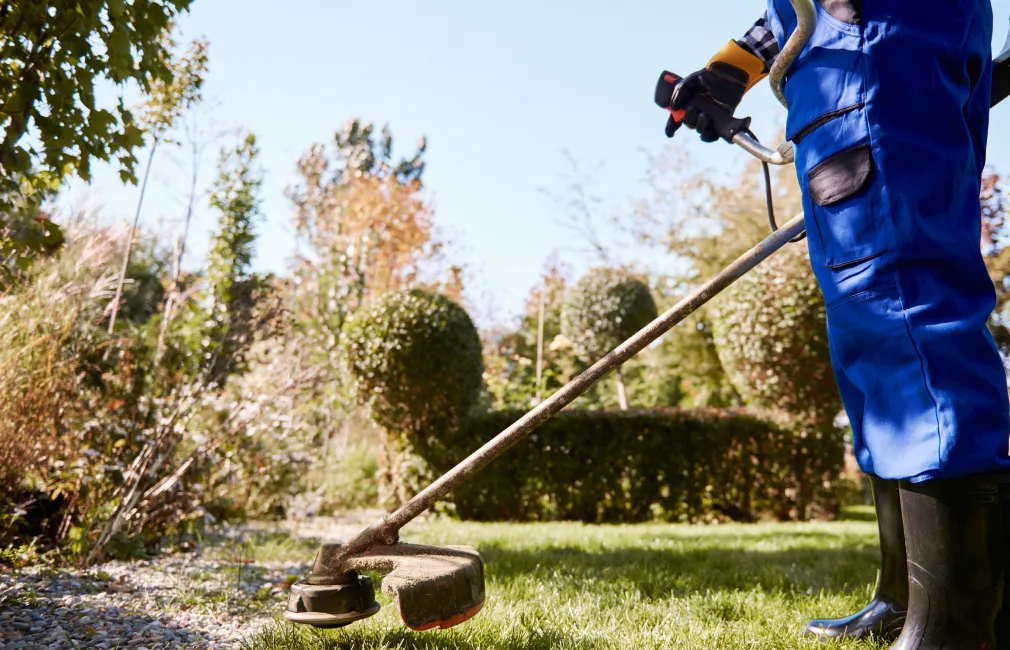
Mechanical Brush Removal
-
Selective Brush Thinning
-
Brush Mulching
-
Chemical Brush Control
-
Controlled Burning
-
Erosion Control After Brush Removal
Our Brush Removal Process
Site Evaluation
Safety Preparation
Brush Clearing
Debris Removal
Final Inspection
Why Choose Verandah Landscape Services
Verandah Homeowners Trust Us
-
Expert Lawn Maintenance
-
Reliable Irrigation Solutions
-
Comprehensive Tree Care
-
Seasonal Clean-Up Services
-
Pest and Weed Control
-
Competitive Pricing
-
Satisfaction Guarantee
Coordinating Brush Removal Through Verandah's Community Development District Infrastructure
Verandah is a master-planned community in unincorporated Lee County governed by its own Community Development District (CDD), which manages roadways, stormwater systems, wetlands, landscaping, and other public infrastructure. Brush removal within Verandah requires coordination with the CDD rather than a traditional municipal public works department, because the district oversees right-of-way maintenance, drainage infrastructure, and vegetative debris management across community common areas. Residents should confirm current brush pile placement rules, accepted material types, and any scheduled collection procedures directly through the CDD administration before staging debris along roadways or near stormwater conveyances.
- Verify whether brush must be cut to specific lengths or bundled before placement at designated collection points
- Confirm that brush piles are not staged near swale inlets, retention pond banks, or wetland buffer zones
- Contact the CDD for guidance on storm-debris removal timelines following named tropical weather events
- Review any community association architectural or landscape modification requirements before large-scale clearing
Verandah Community Development District Public Works
Official Website: Verandah Community Development District Public Works
For projects that involve land clearing, grading changes, or work within platted easements, the Lee County Community Development Department administers permitting, zoning compliance, and development review at the county level.
How Verandah's Subtropical Climate and Soils Influence Brush Accumulation
Verandah sits within USDA Hardiness Zone 10a in southwest Florida's Gulf Coast corridor, where subtropical heat, high humidity, and a pronounced wet season from June through October drive rapid vegetative growth. The community's inland position along the Orange River corridor means properties experience saturated soils, elevated water tables, and aggressive regrowth of native and invasive brush species throughout the warm months. Understanding these conditions is essential for effective brush removal planning.
- Sandy, poorly drained soils: Much of Lee County's eastern development sits on Immokalee, Oldsmar, and similar flatwoods soil series characterized by sandy surface layers over poorly drained subsoils, which retain moisture and accelerate root sprouting after cutting
- Wet-season growth surges: Rainfall averaging over 50 inches annually—concentrated between June and September—fuels rapid regrowth of Brazilian pepper, earleaf acacia, melaleuca, and other invasive woody species common in disturbed areas
- High water table interaction: Brush piles left near retention ponds, swales, or wetland edges can obstruct drainage flow, trap sediment, and introduce organic debris into stormwater systems during heavy rain events
- Hurricane and tropical storm debris: Southwest Florida's exposure to tropical cyclones generates large volumes of downed limbs and vegetative debris that require prompt, organized removal to maintain drainage function and community access
The USDA Web Soil Survey provides parcel-level soil data that can help property owners understand drainage limitations before scheduling brush removal work.
Navigating Lee County Regulations and Verandah CDD Rules for Brush Removal
Because Verandah is located in unincorporated Lee County, brush removal activities fall under county-level land development codes as well as CDD-specific infrastructure protection standards. Residents and contractors should be aware of several regulatory layers that may apply depending on the scope and location of the work.
- Wetland and conservation buffer zones: Verandah's site plan includes designated wetland preserves and conservation easements where vegetation removal is restricted or prohibited without environmental review; verify buffer boundaries before clearing
- Stormwater system protection: Under the Florida DEP NPDES Stormwater Program, debris, sediment, and organic material must not enter stormwater conveyances, retention ponds, or outfall structures during or after brush removal operations
- Lee County land-clearing thresholds: Larger-scale brush clearing that involves grading, fill, or tree removal may trigger county development review; confirm current requirements through the Lee County Community Development Department
- Herbicide application compliance: If chemical treatment of stumps or invasive regrowth is part of the brush removal process, applicators must hold valid credentials through the FDACS Pesticide Applicator Certification and Licensing program to apply restricted-use products
Verandah Utilities and Stormwater Services
Official Website: Verandah Utilities and Stormwater Services
Compliance with the Clean Water Act is particularly relevant where brush removal occurs adjacent to waterways, lakes, or jurisdictional wetlands within the community.
Timing and Methods for Professional Brush Removal in Verandah's Climate
Scheduling and technique selection for brush removal in Verandah should account for the area's intense heat, seasonal rainfall patterns, and the ecological sensitivity of adjacent preserves and water features. Professional standards adapted to southwest Florida conditions help ensure effective clearing without environmental harm or rapid reinfestation.
- Dry-season scheduling: The period from November through May offers lower soil moisture, reduced mosquito and snake activity, and firmer ground conditions for equipment access, making it the preferred window for large-scale brush clearing
- Cut-stump treatment timing: When removing invasive species such as Brazilian pepper, immediate cut-stump herbicide application during active growth periods improves control effectiveness and reduces regrowth cycles
- Chipping and hauling protocols: On-site chipping reduces transport volume, but chips should not be stockpiled within 25 feet of retention pond banks, swale flow lines, or wetland buffer edges to prevent nutrient loading during rain events
- Erosion stabilization after clearing: Exposed soil in Verandah's sandy, low-lying terrain is vulnerable to washout; cleared areas should be stabilized with sod, seed, or erosion blankets promptly to prevent sediment migration into the stormwater system
- Equipment access considerations: Many Verandah lots back to preserves, lakes, or golf course corridors with limited rear access, requiring careful staging to avoid damage to irrigation lines, cart paths, and landscape buffers
Verandah Community Association
Official Website: Verandah Community Association
Residents should coordinate with the community association regarding any architectural review requirements for visible landscape changes resulting from brush removal, particularly on lots adjacent to common areas or preserve tracts.
What Neighborhoods Do We Serve Throughout Verandah, FL?
- Courtyard Estates: Larger estate-style lots with mature native vegetation along preserve edges often require periodic brush clearing to maintain defensible space and drainage flow
- The Villas at Verandah: Compact villa homesites with shared landscape buffers may accumulate brush along rear property lines adjacent to wetland conservation areas
- Whispering Palms: Properties bordering interior lakes and retention ponds benefit from regular brush removal to protect shoreline stabilization and stormwater conveyance function
- Mangrove Bay: Lots near the community's water features and natural areas frequently encounter invasive woody species that require targeted removal and follow-up monitoring
- The Links: Homes along the golf course corridor may experience brush encroachment from unmaintained transition zones between maintained turf and native habitat areas
- Palmetto Ridge: Newer construction areas where fill soils and disturbed ground promote rapid colonization by opportunistic brush species, particularly during the wet season