
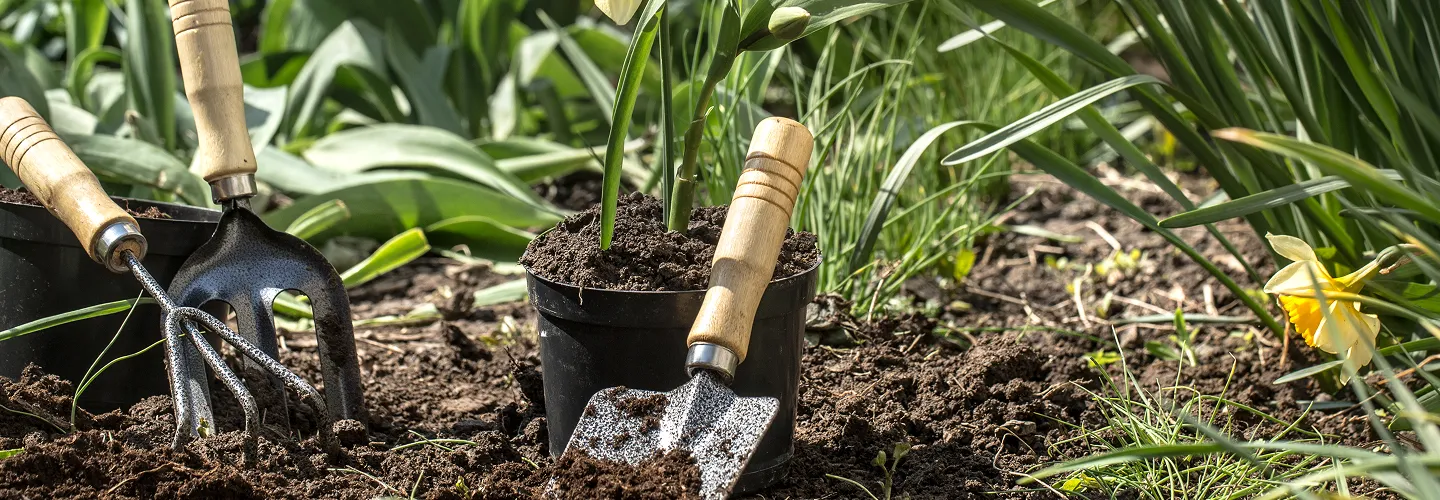
Verandah Fertilizing Lawn Services
Choose our Fertilizing Lawn service for lush, healthy grass that thrives all season long—our expert care ensures your lawn receives the nutrients it needs for vibrant color, strong roots, and lasting curb appeal.
Get a Free QuoteOur Verandah Landscaping & Yard Care Services
When to Schedule Fertilizing Lawn in Verandah, Florida – Seasonal Guide
In Verandah, Florida, the best times to fertilize your lawn are closely tied to our region’s unique subtropical climate and the specific needs of local landscapes. Typically, the optimal windows are early spring—just after the last frost—and again in late summer or early fall, before the cooler months set in. Neighborhoods like River Village and Cypress Grove often experience microclimates due to proximity to the Orange River and varying shade from mature oaks, which can influence the timing and type of fertilizer needed.
Local environmental factors such as high humidity, periodic drought risk, and sandy soils common in Verandah require a tailored approach. For example, lawns near the Verandah Club may need different care than those in more shaded or low-lying areas. Always check for any municipal guidelines or seasonal restrictions, which can be found on the Town of Sudbury’s website, to ensure compliance and environmental responsibility.
Local Factors to Consider for Fertilizing Lawn in Verandah
- Tree density and shade coverage, especially in neighborhoods with mature landscaping
- Soil composition, with sandy soils requiring more frequent but lighter applications
- Seasonal precipitation patterns and risk of drought
- Proximity to water features like the Orange River, which may affect runoff and nutrient absorption
- Municipal restrictions or guidelines on fertilizer use
- Terrain and drainage, particularly in low-lying or flood-prone areas
Benefits of Fertilizing Lawn in Verandah
Enhanced Lawn Health
Greener and Thicker Grass
Improved Weed Resistance
Stronger Root Development
Increased Pest Tolerance
Boosted Curb Appeal
Verandah Fertilizing Lawn Types

Warm-Season Grass Fertilization
-
Cool-Season Grass Fertilization
-
Organic Lawn Fertilizing
-
Slow-Release Fertilizer Application
-
Weed and Feed Treatments
-
Seasonal Fertilizing Schedules
-
Soil Testing and Amendment
Our Fertilizing Lawn Process
Soil Analysis
Fertilizer Selection
Application Scheduling
Even Distribution
Post-Application Inspection
Why Choose Verandah Landscape Services
Verandah Homeowners Trust Us
-
Expert Lawn Maintenance
-
Reliable Irrigation Solutions
-
Comprehensive Tree Care
-
Seasonal Clean-Up Services
-
Pest and Weed Control
-
Competitive Pricing
-
Satisfaction Guarantee
Coordinating Lawn Fertilization With Verandah's Community Development District Infrastructure
Verandah is a master-planned community in unincorporated Lee County governed by its own Community Development District (CDD), which manages stormwater systems, irrigation infrastructure, wetlands, and landscaping across the development. Residents and property managers planning lawn fertilization programs should coordinate with the CDD to understand how fertilizer applications interact with the community's interconnected stormwater basins, retention ponds, and canal networks. The CDD oversees drainage infrastructure that ultimately conveys surface water into the Caloosahatchee River watershed, making nutrient management a direct operational concern. Before initiating any fertilization schedule, residents should also verify landscape maintenance standards through the Verandah Community Association, which administers architectural review and neighborhood appearance guidelines.
- Confirm irrigation system schedules with the CDD before fertilizing to avoid runoff during active irrigation cycles
- Review any community-level landscape maintenance standards through the Verandah Community Association
- Coordinate timing of fertilizer applications to avoid conflict with CDD stormwater maintenance activities
- Report any fertilizer discharge into swales, retention ponds, or canal edges to the district immediately
Verandah Utilities and Stormwater Services
Official Website: Verandah Utilities and Stormwater Services
Verandah Community Association
Official Website: Verandah Community Association
How Verandah's Sandy Soils and Wet Season Shape Lawn Fertilization Outcomes
Verandah sits within USDA Hardiness Zone 10a along the Gulf Coast corridor of southwest Florida, where subtropical heat, intense seasonal rainfall, and sandy soil profiles define lawn care conditions. The community's soils are predominantly sandy with low organic matter and limited cation exchange capacity, meaning applied nutrients—particularly nitrogen—leach rapidly through the root zone during heavy rain events. Verandah's wet season, typically running from June through October, delivers the majority of annual rainfall and dramatically increases the risk of fertilizer washing into the community's extensive network of lakes, retention ponds, and stormwater conveyances.
- Sandy soils require slow-release nitrogen sources to reduce leaching below the turf root zone
- High water tables common in Verandah's low-lying areas accelerate nutrient movement toward surface water features
- Summer humidity promotes rapid warm-season turf growth in St. Augustinegrass and zoysiagrass, increasing nutrient demand
- Salt exposure from brackish groundwater influence near the Caloosahatchee corridor can affect nutrient uptake efficiency
- Reflected heat from driveways and hardscape edges increases turf stress and irrigation demand adjacent to fertilized areas
Soil testing through the UF/IFAS Extension laboratory services provides the most reliable basis for determining actual nutrient deficiencies before applying any fertilizer product.
Navigating Lee County's Fertilizer Ordinance Requirements for Verandah Properties
Because Verandah is located in unincorporated Lee County, lawn fertilization is subject to the Lee County Fertilizer Ordinance, which was adopted in alignment with Florida Statutes §403.9337, the state's model ordinance for Florida-Friendly fertilizer use on urban landscapes. Key provisions that Verandah residents and lawn care providers must observe include:
- A summer fertilizer blackout period during which nitrogen and phosphorus applications to turf are restricted—verify current effective dates through Lee County, as specific windows may be adjusted
- A mandatory fertilizer-free zone extending from the edge of any water body, including lakes, ponds, canals, and wetlands within the community
- Requirements that fertilizer contain a minimum percentage of slow-release nitrogen
- Prohibition against applying fertilizer to impervious surfaces such as driveways, sidewalks, and roadways, with any incidental granules swept back onto turf
- Restrictions on fertilizer application when heavy rainfall is imminent, as forecast by the National Weather Service
Commercial applicators working in Verandah must hold appropriate credentials. The Florida Department of Agriculture and Consumer Services administers limited certification for commercial fertilizer applicators under the state's Best Management Practices training program. The Florida DEP NPDES Stormwater Program also establishes discharge standards that affect how fertilizer runoff is managed within municipal separate storm sewer systems.
Lee County Community Development Department
Official Website: Lee County Community Development Department
Timing and Methods for Fertilizing Lawn Around Verandah's Seasonal Conditions
Professional lawn fertilization in Verandah must account for the community's subtropical climate, where warm-season turfgrasses such as St. Augustinegrass, zoysiagrass, and bahiagrass are actively growing from approximately April through October. Fertilization timing should align with periods of active root uptake to maximize nutrient efficiency and minimize environmental loss.
- Apply fertilizer only when turf is actively growing and soil temperatures support nutrient absorption—typically when sustained soil temperatures exceed 65°F
- Use granular slow-release nitrogen formulations at rates guided by a current soil test; UF/IFAS lawn care resources recommend species-specific annual nitrogen targets rather than calendar-based blanket applications
- Calibrate spreaders before each application to prevent over-application, which increases both leaching risk and turf stress
- Water in fertilizer with approximately one-quarter inch of irrigation within 24 hours of application, but avoid irrigating to the point of runoff
- Avoid fertilizing during or immediately before forecast rain events exceeding one-half inch
- Keep granules away from all storm drains, swales, canal banks, lake edges, and retention pond perimeters
- Consider split applications—smaller amounts applied more frequently—rather than heavy single-dose treatments, particularly on Verandah's fast-draining sandy soils
Phosphorus applications should be based solely on documented soil test deficiency, as excess phosphorus contributes to algal growth in Verandah's interconnected lake and pond system. Potassium applications may be warranted in fall to support turf stress tolerance heading into the cooler dry season.
What Neighborhoods Do We Serve Throughout Verandah, FL?
- Courtyard Estates — Larger homesites with expansive turf areas adjacent to preserve buffers, requiring careful fertilizer placement to protect surrounding natural areas from nutrient migration
- The Cove — Waterfront and lake-adjacent properties where fertilizer-free buffer zones and slow-release formulations are essential to protect shoreline water quality
- Verandah North — Newer subdivision sections with fill-based soils that may exhibit different drainage and nutrient retention characteristics than established areas of the community
- Palmetto Point — Properties bordering internal canal systems where fertilizer runoff management and swale protection are particularly critical during wet-season applications
- The Links — Homesites near the golf course corridor where coordinated fertilization timing helps prevent cumulative nutrient loading into shared stormwater infrastructure
- Mangrove Bay — Low-elevation lots near wetland edges that experience higher water table conditions, requiring reduced application rates and enhanced slow-release nitrogen sourcing