
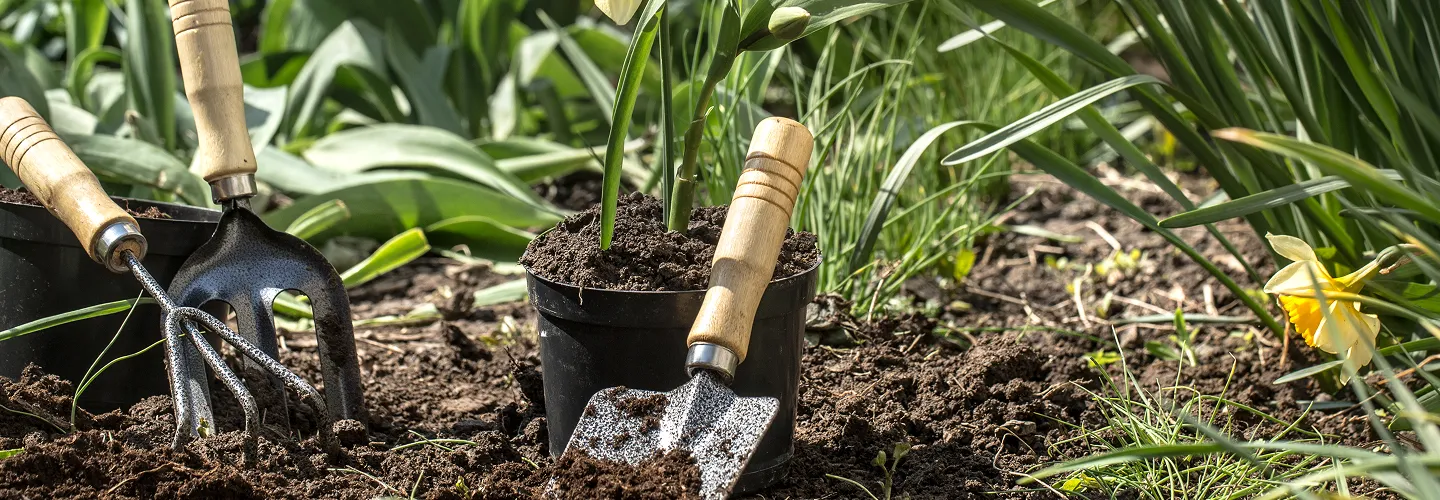
Verandah Lawn Renovation Services
Choose our Lawn Renovation services for expert care, premium materials, and a commitment to transforming tired, patchy grass into a lush, healthy lawn you’ll love year-round.
Get a Free QuoteOur Verandah Landscaping & Yard Care Services
When to Schedule Lawn Renovation in Verandah, Florida – Seasonal Guide
In Verandah, Florida, timing your lawn renovation is crucial for achieving a lush, healthy yard that thrives in our unique subtropical climate. The best periods for lawn renovation typically fall between late spring and early summer, or early fall, when soil temperatures are warm and rainfall is more predictable. Renovating during these windows allows new grass to establish strong roots before the intense summer heat or occasional winter chills set in. Neighborhoods like River Village and Cypress Bend often see the best results when renovations are scheduled after the last frost date and before the peak of hurricane season.
Local environmental factors play a significant role in determining the optimal renovation schedule. Verandah’s proximity to the Orange River means some areas experience higher humidity and occasional flooding, while shaded lots near the golf course may require special attention to soil aeration and grass variety. Homeowners should also consider local municipal guidelines regarding water usage and landscape modifications to ensure compliance and sustainability.
Local Factors to Consider for Lawn Renovation in Verandah
- Tree density and shade coverage, especially in neighborhoods like Willow Bend
- Soil type and drainage, which can vary between riverfront and inland properties
- Seasonal precipitation patterns and drought risk
- Frost dates and temperature fluctuations
- Municipal restrictions on irrigation and landscaping
- Terrain and slope, affecting water runoff and soil erosion
Benefits of Lawn Renovation in Verandah
Enhanced Curb Appeal
Improved Lawn Health
Weed and Pest Reduction
Increased Property Value
Expert Landscaping Team
Customized Lawn Solutions
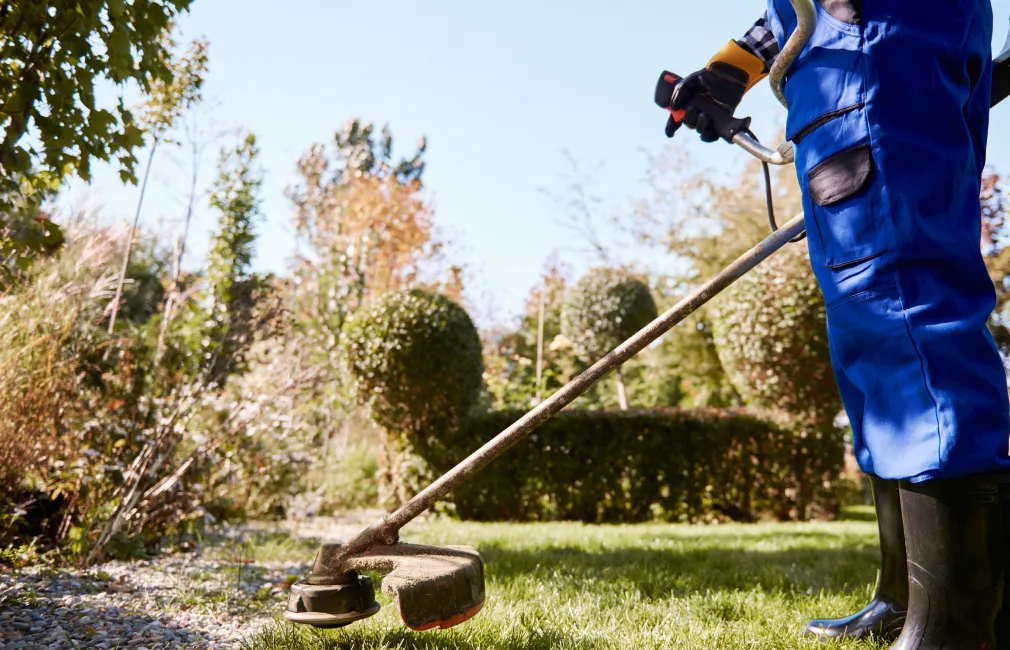
Verandah Lawn Renovation Types

Sod Installation
-
Hydroseeding
-
Overseeding
-
Soil Aeration
-
Topdressing
-
Weed and Pest Control
-
Irrigation System Upgrades
Our Lawn Renovation Process
Site Evaluation
Soil Preparation
Seeding or Sod Installation
Watering and Fertilization
Ongoing Maintenance
Why Choose Verandah Landscape Services
Verandah Homeowners Trust Us
-
Expert Lawn Maintenance
-
Reliable Irrigation Solutions
-
Comprehensive Tree Care
-
Seasonal Clean-Up Services
-
Pest and Weed Control
-
Competitive Pricing
-
Satisfaction Guarantee
Coordinating Lawn Renovation Projects with Verandah's Community Development District
Lawn renovation in Verandah requires coordination with the community's governing infrastructure before ground-level work begins. Because Verandah operates under a Community Development District (CDD), residents and property managers must account for district-managed stormwater systems, irrigation infrastructure, wetlands, and landscaping standards that directly affect renovation scope. Any project involving soil correction, grading adjustments, or drainage repair near CDD-maintained swales, retention ponds, or utility easements should be reviewed with district administration to confirm that proposed work does not conflict with existing infrastructure or maintenance schedules.
- Confirm whether renovation areas border CDD-maintained stormwater basins, canal edges, or irrigation lines before excavation or regrading
- Review architectural and landscaping guidelines through the Verandah Community Association before changing turf species or modifying visible frontage areas
- Coordinate debris removal and soil amendment deliveries to avoid obstructing community roadways or drainage inlets
Verandah Community Development District Administration
Official Website: Verandah Community Development District Administration
Verandah Community Association
Official Website: Verandah Community Association
How Verandah's Soils, Water Table, and Wet Season Shape Lawn Renovation
Verandah sits within southwest Florida's Gulf Coast climate zone, classified in USDA Hardiness Zone 10a, where subtropical heat, extended wet seasons, and sandy soil profiles define every renovation decision. The community was developed on land historically characterized by poorly drained flatwoods soils common to eastern Lee County, where fine sands overlie layers with limited permeability. These conditions create a high seasonal water table that can saturate root zones during the June-through-October wet season, complicating soil correction and turf establishment.
- Sandy soils leach nutrients rapidly, requiring amendment strategies that improve organic matter content and cation exchange capacity without increasing runoff into adjacent retention ponds and wetlands
- High water table conditions limit the depth of effective soil correction and demand careful timing so that grading and amendment incorporation occur during drier months
- Humidity and heat sustain fungal pressure on recovering turf, particularly during summer months when temperatures regularly exceed 90°F and afternoon thunderstorms maintain near-constant surface moisture
- Irrigation dependence is critical during dry-season establishment windows, but overwatering on sandy substrates accelerates nutrient leaching toward Verandah's interconnected stormwater and wetland systems
Understanding these conditions through resources such as the USDA Web Soil Survey and UF/IFAS lawn guidance helps property owners plan renovation work that accounts for Verandah's actual site behavior rather than generic turf advice.
Navigating Lee County Regulations and Stormwater Compliance for Lawn Renovation
Lawn renovation projects in Verandah must comply with Lee County development standards and Florida environmental regulations, particularly when work involves regrading, drainage modification, or chemical applications. Lee County's Community Development Department oversees land-use compliance and development review for unincorporated areas, which includes Verandah. Property owners should verify current requirements with the county before undertaking renovation work that alters site drainage patterns or involves soil import exceeding minor topdressing quantities.
- Any pesticide or herbicide application during renovation must be performed by operators holding valid credentials through the FDACS Pesticide Applicator Certification and Licensing program, as required under Florida Statutes Chapter 487
- Fertilizer applications during and after renovation should follow the framework established by Florida Statutes §403.9337, which guides Florida-Friendly fertilizer use on urban landscapes; verify any local fertilizer blackout periods through Lee County ordinances
- Sediment, soil amendments, and organic debris must be kept out of stormwater inlets, swales, retention ponds, and canal edges in compliance with the Florida DEP NPDES Stormwater Program
- Renovation work near wetland buffers or preserve boundaries within Verandah requires particular care to prevent sediment migration into protected areas
Lee County Community Development Department
Official Website: Lee County Community Development Department
Timing and Methods for Effective Lawn Renovation in Verandah's Subtropical Climate
Professional lawn renovation in Verandah follows a sequenced approach that addresses existing site problems before new turf establishment. Renovation is not simply re-sodding; it involves diagnosing compaction, drainage failure, shade or traffic damage, nutrient depletion, and irrigation deficiencies that caused the original turf decline.
- Soil testing should precede any amendment application to identify pH imbalances, nutrient deficiencies, and organic matter levels specific to the site rather than relying on generalized fertilizer programs
- Compaction repair through core aeration—commonly targeting roughly 2–3 inches of penetration—is most effective during active warm-season growth from late spring through early fall when St. Augustinegrass, zoysiagrass, or bermudagrass can recover quickly
- Drainage correction may involve regrading low spots, repairing swale flow lines, or adjusting downspout discharge points to redirect standing water away from turf root zones and toward designed stormwater conveyance
- Irrigation audits should verify head-to-head coverage, eliminate dry spots, and confirm that run times align with UF/IFAS watering recommendations and applicable water management district restrictions
- Turf conversion from declining species to regionally appropriate warm-season varieties should be timed to the late spring or early summer establishment window, allowing root development before peak wet-season saturation
- Renovation debris, removed sod, and displaced soil must be managed on-site or hauled off properly—never pushed into swales, canal banks, or retention areas
Verandah Utilities and Stormwater Services
Official Website: Verandah Utilities and Stormwater Services
What Neighborhoods Do We Serve Throughout Verandah, FL?
- Courtyard Estates — Larger homesites with expansive turf areas that frequently require soil correction and irrigation recalibration due to sandy fill settlement over time
- The Veranda — Properties adjacent to community lakes and retention areas where lawn renovation must account for buffer zones and runoff sensitivity near managed water features
- Palmetto Point — Homes bordering preserve and wetland edges where shade encroachment and root competition from native vegetation contribute to turf decline requiring targeted renovation
- Stillwater — Waterfront lots along the Orange River corridor where high water table conditions and seasonal saturation demand drainage-focused renovation strategies
- Edgewater — Residences near community greenways and trail corridors where foot traffic compaction and irrigation coverage gaps are common drivers of turf deterioration
- Mangrove Walk — Properties with mature landscaping that creates mixed sun-shade conditions, often necessitating turf species evaluation and canopy management as part of renovation planning