
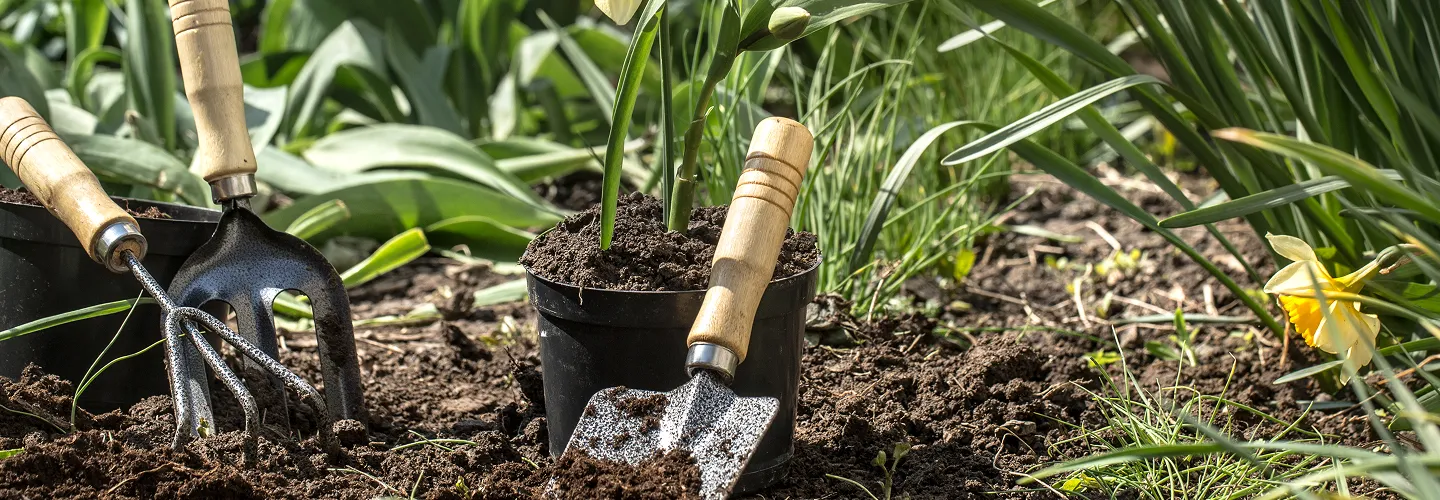
Verandah Sod Installation Services
Choose our Sod Installation for a seamless, hassle-free transformation—enjoy a vibrant, healthy lawn installed by experts who care about quality, efficiency, and your complete satisfaction.
Get a Free QuoteOur Verandah Landscaping & Yard Care Services
When to Schedule Sod Installation in Verandah, Florida – Seasonal Guide
In Verandah, Florida, timing your sod installation is crucial for achieving a lush, resilient lawn that thrives year-round. The best periods for sod installation are typically late spring through early summer and early fall, when soil temperatures are warm and rainfall is more consistent. These windows allow new sod to establish strong roots before the intense summer heat or occasional winter chills set in. Verandah’s subtropical climate, with its humid summers and mild winters, means that sod can technically be installed most of the year, but avoiding the peak of the rainy season and the rare cold snaps is ideal for optimal results.
Local environmental factors play a significant role in determining the best time for sod installation. For example, neighborhoods near the Orange River or close to the Verandah Club may experience higher humidity and occasional flooding, which can affect soil moisture levels and sod rooting. Areas with dense shade from mature oaks or palms, such as those along River Village Way, may require special consideration for sod type and installation timing. It’s also important to be aware of local municipal guidelines and water restrictions, which can impact irrigation schedules. For more information on local regulations, visit the official municipal website.
Local Factors to Consider for Sod Installation in Verandah
- Tree density and shade coverage
- Soil composition and drainage (sandy vs. clay soils)
- Proximity to water bodies and flood-prone areas
- Seasonal precipitation patterns and drought risk
- Municipal watering restrictions and guidelines
- Terrain slope and accessibility
Benefits of Sod Installation in Verandah
Instant Green Lawn
Erosion Control
Weed Reduction
Enhanced Curb Appeal
Professional Installation
Low Maintenance Start
Verandah Sod Installation Types

St. Augustine Sod
-
Zoysia Sod
-
Bermuda Sod
-
Centipede Sod
-
Bahia Sod
-
Fescue Sod
-
Bluegrass Sod
Our Sod Installation Process
Site Preparation
Soil Grading
Sod Delivery
Sod Laying
Watering and Rolling
Why Choose Verandah Landscape Services
Verandah Homeowners Trust Us
-
Expert Lawn Maintenance
-
Reliable Irrigation Solutions
-
Comprehensive Tree Care
-
Seasonal Clean-Up Services
-
Pest and Weed Control
-
Competitive Pricing
-
Satisfaction Guarantee
Coordinating Sod Installation Projects with Verandah's Community Development District
Verandah is a master-planned community in unincorporated Lee County governed by its own Community Development District (CDD), which oversees stormwater systems, irrigation infrastructure, wetlands, landscaping standards, and roadway maintenance. Before initiating any sod installation project, residents and property managers should coordinate with the CDD to confirm that proposed grading, irrigation modifications, or turf replacement activities do not conflict with district-maintained swales, retention areas, or utility easements. The Verandah Community Association also administers architectural review for exterior modifications, including front-yard and side-yard turf changes, so obtaining approval prior to work is essential.
- Confirm whether the installation area borders a CDD-maintained swale, stormwater basin, or wetland buffer
- Submit any required architectural review applications through the Verandah Community Association before beginning site preparation
- Verify irrigation tie-in points with the district's existing reclaimed or potable water infrastructure
- Coordinate debris removal and soil delivery access through community roadways to avoid damage to common-area landscaping
Verandah Community Development District Public Works
Official Website: Verandah Community Development District Public Works
Verandah Community Association
Official Website: Verandah Community Association
How Verandah's Subtropical Climate and Sandy Soils Affect Sod Installation
Verandah sits within USDA Hardiness Zone 10a along the Caloosahatchee River corridor in eastern Lee County, placing it firmly in a subtropical climate with intense summer heat, high humidity, and a pronounced wet season from June through October. These conditions directly shape every phase of sod installation. The area's soils are predominantly sandy and well-drained, which promotes rapid percolation but also accelerates nutrient leaching and demands consistent irrigation during the critical rooting period. The USDA Web Soil Survey confirms that many residential lots in this part of Lee County feature fine sand profiles with limited organic content, requiring soil amendment or top-dressing to support healthy turf establishment.
- Heat stress: Summer surface temperatures on exposed sandy subgrade can exceed levels that damage freshly laid sod roots, making morning installation and immediate watering essential
- High water table: Low-lying lots near Verandah's lakes, ponds, and retention areas may experience seasonally elevated water tables that affect grading and drainage planning
- Nutrient leaching: Sandy soils allow nitrogen and phosphorus to move quickly through the profile, increasing the risk of nutrient runoff into the community's interconnected stormwater and canal systems
- Humidity and fungal pressure: Warm, humid conditions promote large patch and gray leaf spot in St. Augustinegrass, making proper sod selection and post-installation watering schedules critical to avoiding early disease establishment
Residents should also account for Verandah's proximity to the Caloosahatchee River and its network of internal lakes and preserves, as protecting Florida's water resources from landscape-related nutrient loading is a shared environmental responsibility.
Navigating Lee County Regulations and Stormwater Compliance for Sod Installation in Verandah
Because Verandah is located in unincorporated Lee County, development and land-use regulations fall under Lee County's jurisdiction. While routine residential sod replacement on an existing lot typically does not require a building permit, any project involving significant regrading, fill importation, or modification of drainage patterns may trigger review through the Lee County Community Development Department. Property owners should verify current requirements before altering lot grades, especially on parcels adjacent to preserve areas, wetland buffers, or CDD-maintained stormwater infrastructure.
- Sod installation that changes the direction or volume of stormwater runoff may require engineering review or a site-alteration permit through Lee County
- Florida's NPDES Stormwater Program applies to construction and land-disturbing activities that could discharge sediment or pollutants into waters of the state
- Any pesticide or herbicide application during site preparation must be performed by individuals holding valid credentials through the FDACS Pesticide Applicator Licensing program
- Lee County's fertilizer ordinance restricts nitrogen and phosphorus application during the summer rainy season; residents should confirm current blackout dates before applying starter fertilizer to new sod, consistent with the framework established under Florida Statutes §403.9337
Lee County Community Development Department
Official Website: Lee County Community Development Department
Timing and Professional Standards for Sod Installation in Verandah's Climate
Successful sod installation in Verandah depends on aligning subgrade preparation, turf selection, and irrigation scheduling with the region's seasonal patterns. The UF/IFAS lawn establishment guidelines recommend installing warm-season sod during active growth periods for fastest root establishment, while accounting for the practical challenges of Southwest Florida's heat and rainfall cycles.
- Preferred installation windows: Late spring through early summer (April–June) offers warm soil temperatures and the onset of regular rainfall, supporting rapid rooting before peak hurricane season; early fall (September–October) is a secondary window as temperatures begin to moderate
- Turf species selection: St. Augustinegrass varieties such as Floratam, Palmetto, and CitraBlue are the most commonly installed in Verandah due to their shade tolerance and adaptation to sandy soils; bahiagrass may be appropriate for larger, sun-exposed lots with lower irrigation capacity
- Subgrade preparation: Remove all existing vegetation, debris, and rocks; grade the surface to direct water away from foundations and toward swales or stormwater collection points; lightly compact and moisten the subgrade before laying sod
- Irrigation during establishment: New sod requires frequent, light irrigation—typically two to three times daily for the first seven to ten days—tapering gradually over four to six weeks as roots anchor into the soil profile; verify that irrigation schedules comply with the South Florida Water Management District's current watering restrictions, which may vary by drought stage and time of year
- Seam and edge management: Stagger sod seams in a brick-like pattern, press edges firmly together without overlapping, and fill any gaps with clean sand to prevent desiccation along exposed edges
Verandah Utilities and Stormwater Services
Official Website: Verandah Utilities and Stormwater Services
What Neighborhoods Do We Serve Throughout Verandah, FL?
- Courtyard Estates — Larger homesites with expansive turf areas that require careful irrigation zoning and subgrade grading to manage runoff toward community stormwater infrastructure
- The Cove — Waterfront and lake-adjacent lots where sod installation must account for elevated water tables, preserve buffer setbacks, and nutrient-sensitive drainage patterns
- Edgewater — Properties bordering internal lakes and preserves that demand precise grading to prevent erosion and protect adjacent wetland buffers during and after sod establishment
- Palmetto Point — Mid-sized residential lots with mature tree canopy in some areas, requiring shade-tolerant sod varieties and adjusted irrigation coverage beneath established oaks and palms
- Stillwater — Newer-phase homesites where fill-based soils may require additional organic amendment and compaction correction before sod can root effectively
- Mangrove Bay — Lots near the community's eastern preserve corridors where drainage sensitivity and HOA landscape standards influence turf species selection and installation timing