
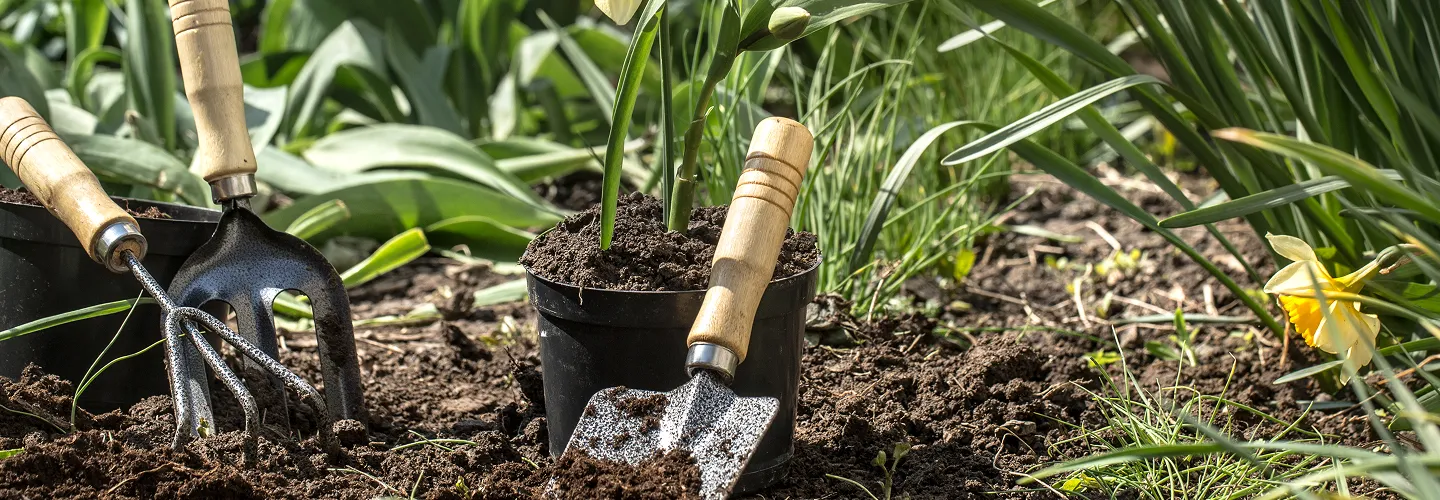
Verandah Green Waste Disposal Services
Choose our Green Waste Disposal service for reliable, environmentally responsible removal of your garden and yard waste. We ensure your green waste is recycled or composted, helping you keep your property tidy while supporting a healthier planet.
Get a Free QuoteOur Verandah Landscaping & Yard Care Services
When to Schedule Green Waste Disposal in Verandah, Florida – Seasonal Guide
In Verandah, Florida, the timing of green waste disposal is closely tied to our unique subtropical climate and the rhythms of local landscaping needs. The best periods for scheduling green waste removal are typically late winter through early spring, just after the last frost date, and again in late summer before hurricane season peaks. These windows allow homeowners in neighborhoods like River Village and Cypress Grove to clear away fallen branches, palm fronds, and other debris before new growth or storm activity begins.
Local environmental factors such as high humidity, sandy soils, and dense shade from mature oaks and palms influence how quickly organic material accumulates and decomposes. Areas near the Orange River or close to the Verandah Club often experience heavier leaf drop and require more frequent attention. Additionally, municipal guidelines and seasonal restrictions may affect when and how green waste can be collected. For more information on local regulations, visit the official municipal resource.
Local Factors to Consider for Green Waste Disposal in Verandah
- Tree and shrub density in your yard
- Proximity to water features or flood-prone areas
- Typical rainfall and humidity levels
- Soil drainage and composition
- Shade coverage from mature landscaping
- Neighborhood-specific municipal collection schedules
- Recent storm or hurricane activity
- Local wildlife and pest considerations
Benefits of Green Waste Disposal in Verandah
Eco-Friendly Landscaping Solutions
Efficient Green Waste Removal
Promotes Healthy Garden Growth
Reduces Landfill Waste
Enhances Property Appearance
Supports Local Sustainability Efforts
Verandah Green Waste Disposal Types

Composting
-
Mulching
-
Curbside Green Bin Collection
-
On-site Chipping
-
Drop-off at Recycling Centers
-
Vermiculture
-
Incineration (Permitted Areas)
Our Green Waste Disposal Process
Collection of Green Waste
Sorting and Separation
Transport to Disposal Facility
Eco-Friendly Processing
Why Choose Verandah Landscape Services
Verandah Homeowners Trust Us
-
Expert Lawn Maintenance
-
Reliable Irrigation Solutions
-
Comprehensive Tree Care
-
Seasonal Clean-Up Services
-
Pest and Weed Control
-
Competitive Pricing
-
Satisfaction Guarantee
Coordinating Green Waste Disposal Through Verandah's Community Development District
Verandah operates under a Community Development District (CDD) structure rather than a traditional municipal government, which means green waste disposal coordination follows a distinct path compared to incorporated cities in Lee County. The Verandah CDD oversees infrastructure maintenance including roadways, stormwater systems, wetlands, and landscaping across the community's common areas. Residents and property managers should confirm current vegetative debris collection schedules, accepted materials, and placement requirements directly through the district administration before staging green waste at the curb or along right-of-way edges.
- Grass clippings, palm fronds, tree trimmings, and shrub cuttings generally constitute accepted green waste categories
- Bundling and container specifications should be verified with the CDD or the contracted hauler, as requirements may change seasonally
- Green waste must not be placed in or near stormwater inlets, swales, retention ponds, or canal banks
- The Verandah Community Association may impose additional architectural and maintenance standards that affect how and when debris is staged on individual lots
Verandah Community Development District Public Works
Official Website: Verandah Community Development District Public Works
Verandah Community Association
Official Website: Verandah Community Association
How Verandah's Subtropical Climate and Soils Affect Green Waste Volume
Verandah sits within USDA Hardiness Zone 10a in eastern Lee County, where the Gulf Coast Florida climate drives aggressive year-round vegetative growth. The community's landscape palette—dominated by warm-season turf grasses such as St. Augustinegrass and bahiagrass, tropical palms, and dense ornamental hedging—produces substantial green waste throughout the year, with peak volumes during the wet season from June through October.
- High humidity and summer rainfall accelerate turf growth rates, often requiring weekly mowing and generating large volumes of clippings during the warmest months
- Sandy, poorly drained subdivision soils common in this part of Lee County are frequently augmented with fill material during development, which can affect root establishment and increase the frequency of plant replacement and associated debris
- Tropical storm and hurricane seasons from June through November can produce sudden surges of downed branches, palm fronds, and uprooted vegetation that require prompt disposal to prevent drainage obstruction
- The community's extensive network of lakes, retention ponds, and preserved wetlands makes it critical that green waste never enters surface water systems, as decomposing organic material contributes to nutrient loading and algal growth consistent with concerns outlined by the Florida DEP NPDES Stormwater Program
Navigating Lee County and CDD Regulations for Green Waste Disposal in Verandah
Because Verandah is an unincorporated Lee County community governed by a CDD, green waste disposal compliance involves multiple layers of oversight. Lee County's solid waste regulations establish baseline rules for vegetative debris collection and disposal, while the Verandah CDD and Community Association may apply additional standards for lot appearance, staging locations, and timing.
- Commercial landscaping contractors generating green waste on Verandah properties should verify whether they are required to haul debris to a licensed disposal facility rather than relying on residential curbside collection
- Dumping green waste into canals, wetlands, retention areas, or stormwater conveyances violates both local stormwater management rules and federal protections under the Clean Water Act
- Properties adjacent to preserved wetlands or conservation easements may face additional restrictions on vegetation clearing and debris staging; confirm requirements through the CDD or through Lee County Community Development Department
- The EPA's municipal stormwater discharge program applies to Lee County's MS4 permit, reinforcing the obligation to prevent organic debris from entering the public drainage system
Lee County Community Development Department
Official Website: Lee County Community Development Department
Timing and Methods for Green Waste Disposal in Verandah's Wet and Dry Seasons
Professional green waste disposal in Verandah requires attention to seasonal timing, material handling, and site protection. The distinction between wet-season and dry-season conditions directly affects how debris should be staged, transported, and processed.
- Wet season (June–October): Schedule disposal promptly after mowing, pruning, or storm cleanup to prevent saturated debris from clogging swales and inlets; avoid staging piles on low-lying areas where standing water may develop
- Dry season (November–May): Reduced rainfall slows turf growth but palm frond drop and hedge trimming continue to generate steady volumes; dry debris is lighter and easier to bundle but poses a fire risk if stockpiled near structures
- Separate green waste from non-organic materials such as landscape fabric, plastic pots, wire, and treated lumber before disposal
- Cut branches and palm fronds to manageable lengths as specified by the contracted hauler or CDD guidelines—typical industry practice is to keep pieces under four to six feet for safe handling
- Avoid blowing or raking clippings, leaves, or trimmings into street gutters, swales, or storm drains; UF/IFAS guidance on protecting Florida's water resources emphasizes keeping organic material out of surface water pathways
Verandah Utilities and Stormwater Services
Official Website: Verandah Utilities and Stormwater Services
What Neighborhoods Do We Serve Throughout Verandah, FL?
- Courtyard Estates — Larger homesites with mature landscaping generate significant seasonal green waste from palms, ornamental trees, and expansive turf areas requiring regular disposal coordination
- The Veranda — Properties along interior lakes and retention ponds require careful debris staging to prevent organic material from reaching shoreline drainage structures
- Cascades — Homes in this neighborhood feature compact lots where efficient green waste bundling and timely pickup are essential to maintaining clear access and curb appeal
- Edgewater — Waterfront and preserve-adjacent lots produce palm frond and hedge debris that must be kept away from conservation buffer zones and stormwater outfalls
- Stillwater — Newer construction areas may have fill-based soils and developing landscapes that generate establishment-phase debris including removed sod, transplant waste, and grading spoils
- Whispering Palms — Dense tropical plantings and shaded canopy areas produce consistent leaf litter and frond drop throughout the year, requiring ongoing disposal attention