
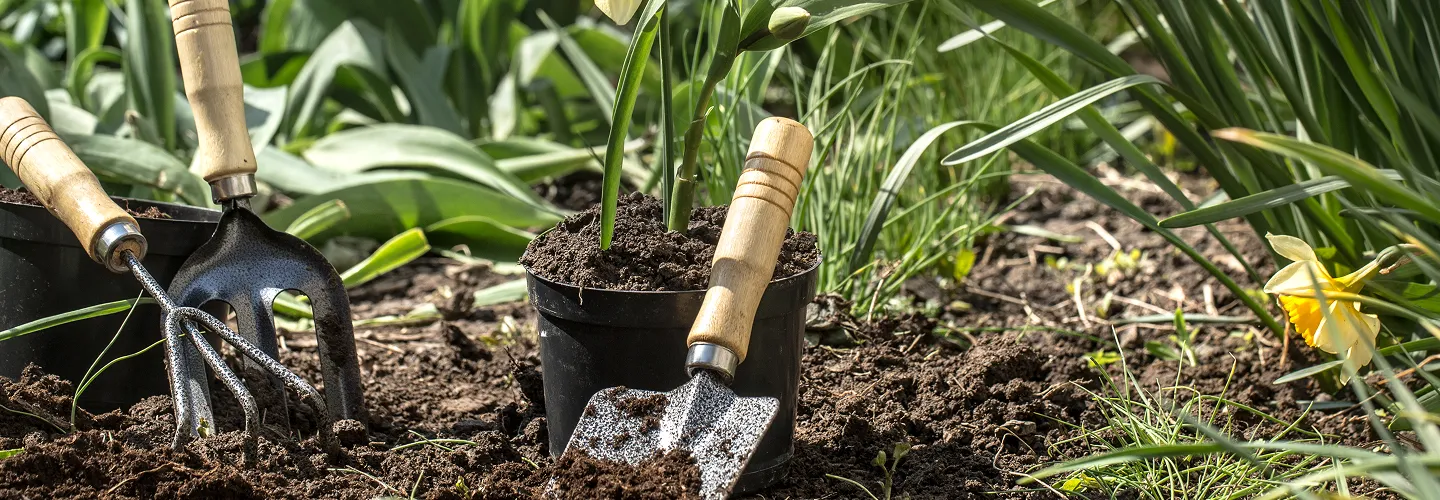
Verandah Weeding Services
Choose our professional weeding services to enjoy a healthier, more beautiful garden—our experienced team removes unwanted growth efficiently, ensuring your plants thrive and your outdoor space stays immaculate all season long.
Get a Free QuoteOur Verandah Landscaping & Yard Care Services
When to Schedule Weeding in Verandah, Florida – Seasonal Guide
In Verandah, Florida, the timing of weeding is crucial for maintaining healthy, attractive landscapes throughout the year. Thanks to our subtropical climate, with warm temperatures and high humidity, weeds can thrive nearly year-round. However, the most effective periods for weeding are typically late winter through early spring and again in late summer, when weed growth surges due to increased rainfall and milder temperatures. Neighborhoods like River Village and The Club at Verandah often experience rapid weed emergence after the last frost date, which usually falls in early February.
Local environmental factors such as sandy soils, shaded areas beneath mature oaks, and proximity to the Orange River can all influence weed growth patterns. Homeowners should also consider the risk of drought during late spring and municipal guidelines for landscape maintenance. For more information on local regulations, visit the official Sudbury municipal site.
Local Factors to Consider for Weeding in Verandah
- Tree density and shade coverage, especially in areas like Whispering Oaks
- Soil type, with sandy and well-drained soils common in the region
- Seasonal precipitation patterns and risk of drought
- Proximity to water features such as lakes or the Orange River
- Municipal restrictions and HOA guidelines for landscape care
- Terrain variations, including sloped lots and low-lying areas prone to moisture retention
Benefits of Weeding in Verandah
Enhanced Curb Appeal
Healthier Plant Growth
Reduced Pest Infestation
Improved Soil Quality
Low Maintenance Landscaping
Increased Property Value
Verandah Weeding Types

Hand Weeding
-
Mulch Application
-
Herbicide Treatment
-
Flame Weeding
-
Soil Solarization
-
Mechanical Weeding
-
Organic Weed Control
Our Weeding Process
Site Evaluation
Weed Identification
Manual Removal
Soil Cultivation
Preventative Measures
Why Choose Verandah Landscape Services
Verandah Homeowners Trust Us
-
Expert Lawn Maintenance
-
Reliable Irrigation Solutions
-
Comprehensive Tree Care
-
Seasonal Clean-Up Services
-
Pest and Weed Control
-
Competitive Pricing
-
Satisfaction Guarantee
Coordinating Weeding Services with Verandah's Community Development District Infrastructure
Verandah is a master-planned community in unincorporated Lee County governed by its own Community Development District (CDD), which manages stormwater systems, irrigation infrastructure, wetlands, and landscaping across common areas. Residents and property managers undertaking weeding on individual lots should be aware that weed growth along swale edges, retention pond banks, and shared landscape buffers may fall under CDD maintenance jurisdiction rather than individual homeowner responsibility. Before removing vegetation near stormwater conveyances or wetland conservation areas, property owners should confirm whether the area is CDD-maintained or privately maintained through the district administration.
- Verify lot boundaries against CDD-maintained common areas before weeding near retention ponds, canal banks, or shared landscape buffers
- Coordinate with the Verandah Community Association regarding architectural and landscape appearance standards that may govern bed maintenance and weed control expectations
- Dispose of pulled weed material properly; do not deposit organic debris into swales, storm drains, or canal edges
Verandah Community Development District Administration
Official Website: Verandah Community Development District Administration
Verandah Community Association
Official Website: Verandah Community Association
How Verandah's Subtropical Climate and Sandy Soils Accelerate Weed Growth
Verandah sits within USDA Hardiness Zone 10a in southwest Florida's Gulf Coast corridor, where subtropical heat, high humidity, and a pronounced wet season from June through October create conditions that drive aggressive weed germination and regrowth. The community's sandy, well-drained soils—typical of inland Lee County developments built on fill and native sands—allow rapid nutrient leaching, which can weaken desirable plantings and give opportunistic weeds a competitive advantage. According to the USDA Plant Hardiness Zone Map, this zone supports year-round warm-season weed activity with minimal frost interruption.
- Summer wet season: Afternoon thunderstorms trigger rapid weed flushes in beds, turf edges, and mulched areas within 48–72 hours of heavy rainfall
- Sandy soil drainage: Low organic matter and fast percolation reduce the effectiveness of pre-emergent barriers, requiring more precise application timing
- High water table zones: Areas near Verandah's lakes, retention ponds, and preserved wetlands may experience saturated root zones that favor sedge and moisture-loving weed species
- Year-round growing season: Unlike northern climates, Verandah experiences no extended dormancy period, meaning weed pressure is continuous and requires ongoing management rather than seasonal intervention
Regulatory Requirements for Herbicide Use and Runoff Prevention in Verandah
Any chemical weed control performed in Verandah must comply with Florida's pesticide regulations. Under Florida Statutes Chapter 487, commercial applicators using restricted-use herbicides must hold valid certification through the Florida Department of Agriculture and Consumer Services (FDACS). Property owners applying herbicides on their own residential lots are not required to hold a commercial license but must follow all label directions, which carry the force of law under federal and state regulation.
- Herbicide drift or runoff into Verandah's stormwater system—including retention ponds, swales, and canal connections—may constitute a discharge violation under the Florida DEP NPDES Stormwater Program
- Granular or liquid pre-emergent products should not be applied when heavy rain is forecast, as rapid washoff into the community's interconnected drainage network can carry chemicals into downstream waterways
- The Verandah CDD manages stormwater infrastructure and wetland buffers; herbicide application near these features should account for setback distances recommended on product labels
Verandah Utilities and Stormwater Services
Official Website: Verandah Utilities and Stormwater Services
Residents should also be aware that Lee County may enforce nuisance vegetation and property maintenance standards through its code compliance process. Verify current requirements with the Lee County Community Development Department if weeding relates to a code notice or development review matter.
Timing Weeding Around Verandah's Wet Season and Warm-Season Growth Cycles
Effective weeding in Verandah requires alignment with the community's subtropical climate patterns rather than a fixed calendar schedule. Professional standards emphasize removing weeds before they set seed, which in southwest Florida can occur rapidly given the continuous warm temperatures.
- Pre-emergent timing: Apply granular pre-emergent barriers in late January through mid-February to intercept spring germination of warm-season broadleaf and grassy weeds, and again in early September for winter annual suppression; confirm product suitability for sandy soils with low organic content
- Hand weeding after rain events: The most productive hand-weeding windows occur 24–48 hours after significant rainfall, when saturated sandy soils release root systems more completely and reduce the likelihood of root breakage and regrowth
- Bed-edge pressure management: Weeds commonly invade landscape beds from adjacent turf edges and mulch boundaries; maintaining a clean edge and refreshing mulch to a depth of approximately two to three inches suppresses light-dependent weed germination as recommended by UF/IFAS Gardening Solutions
- Integrated Pest Management (IPM): Combine cultural practices—proper irrigation, appropriate mulch depth, and dense planting—with targeted mechanical or chemical removal to reduce reliance on herbicides and protect Verandah's water resources as outlined by UF/IFAS guidance on protecting Florida's water resources
What Neighborhoods Do We Serve Throughout Verandah, FL?
- The Estates at Verandah: Larger estate-sized lots with expansive landscape beds and extended turf borders create more bed-edge weed pressure, particularly along irrigation zones and ornamental planting areas adjacent to preserve buffers.
- Courtyard Homes: Compact courtyard-style lots concentrate landscape plantings in smaller areas where weed competition with ornamentals is more visible and requires frequent hand-weeding attention.
- Verandah North: Properties in the northern sections of the community often border preserved wetland areas and retention ponds, where moisture-loving weed species such as sedges and torpedo grass may encroach into maintained beds and turf edges.
- Verandah South: Southern neighborhoods feature mature landscaping with established canopy trees that create shaded bed environments favoring shade-tolerant weeds like dollarweed and Virginia buttonweed.
- Homes Along the River Club and Golf Corridor: Properties adjacent to the golf course and river corridor experience unique weed pressure from open-space interfaces, where wind-carried seeds and irrigation runoff from adjacent maintained turf introduce weed species into residential beds.