
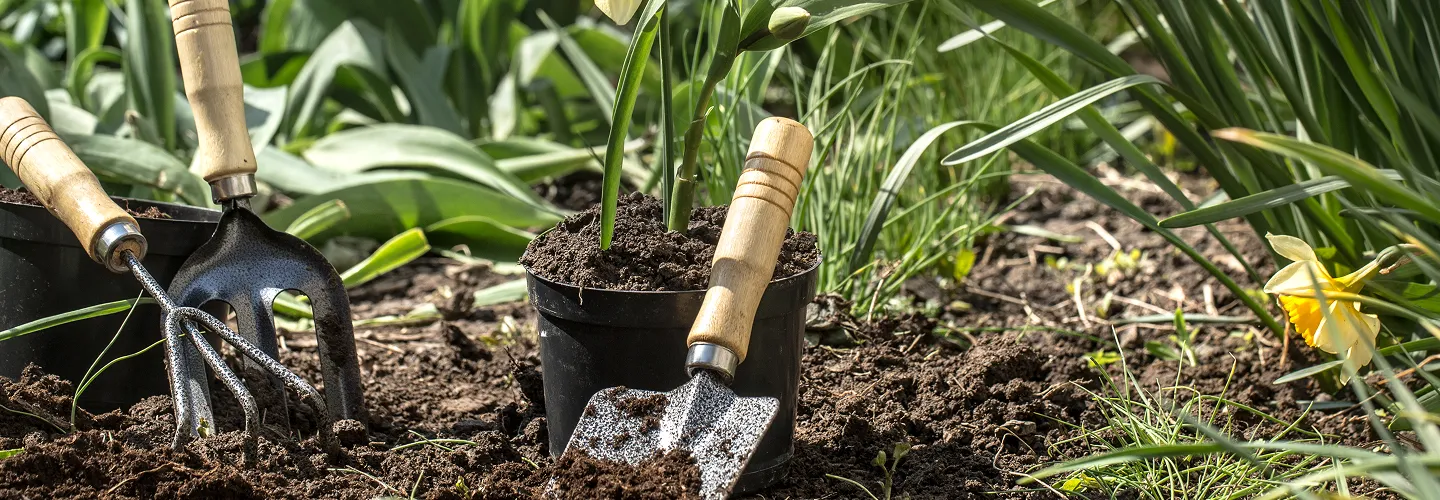
Verandah Lawn Installation Services
Choose our Lawn Installation for expert care, premium materials, and a seamless process that guarantees a vibrant, healthy lawn you'll love for years to come.
Get a Free QuoteOur Verandah Landscaping & Yard Care Services
When to Schedule Lawn Installation in Verandah, Florida – Seasonal Guide
Choosing the right time for lawn installation in Verandah, Florida, is essential for achieving a lush, healthy yard that thrives year-round. Thanks to Verandah’s subtropical climate, the optimal window for installing new sod or seed typically falls between late spring and early fall, when soil temperatures are warm and rainfall is more consistent. This timing allows grass roots to establish before the cooler, drier winter months. Neighborhoods like River Village and The Preserve benefit from proximity to the Orange River, which can influence local humidity and soil moisture levels, making timing even more important.
Local environmental factors such as the risk of late spring frost, summer drought periods, and the area’s sandy soils all play a role in determining the best installation schedule. Homeowners should also consider shade coverage from mature oaks and palms, especially in areas near the Verandah Club or along Cypress Hammock Boulevard, as well as any municipal watering restrictions. For more information on local guidelines, visit the official municipal website.
Local Factors to Consider for Lawn Installation in Verandah
- Tree density and shade coverage, especially near established neighborhoods
- Soil type and drainage, with sandy soils common in the region
- Seasonal precipitation patterns and drought risk
- Proximity to water features like the Orange River
- Municipal watering restrictions and local ordinances
- Terrain variations, including sloped lots or low-lying areas
Benefits of Lawn Installation in Verandah
Expert Landscaping Services
Premium Quality Sod
Efficient Project Completion
Customized Lawn Solutions
Enhanced Curb Appeal
Sustainable Lawn Practices
Verandah Lawn Installation Types

Sod Installation
-
Hydroseeding
-
Artificial Turf Installation
-
Sprigging
-
Plug Planting
-
Seeding
-
Zoysia Grass Installation
Our Lawn Installation Process
Site Evaluation
Soil Preparation
Sod or Seed Installation
Watering and Initial Care
Final Inspection
Why Choose Verandah Landscape Services
Verandah Homeowners Trust Us
-
Expert Lawn Maintenance
-
Reliable Irrigation Solutions
-
Comprehensive Tree Care
-
Seasonal Clean-Up Services
-
Pest and Weed Control
-
Competitive Pricing
-
Satisfaction Guarantee
Coordinating Lawn Installation with Verandah's Community Development District and Association
Verandah is a master-planned community in unincorporated Lee County governed by its own Community Development District (CDD) and a Community Association (VCA). Before initiating any lawn installation project, residents and property managers should coordinate with both entities, as each oversees distinct aspects of community infrastructure and appearance standards.
- The Verandah CDD manages stormwater systems, irrigation infrastructure, wetlands, roadways, and utility corridors throughout the development; any grading, drainage modification, or irrigation tie-in associated with lawn installation may require CDD review or notification.
- The Verandah Community Association administers architectural review and neighborhood appearance standards, meaning turf species selection, sod layout, and front-yard coverage may be subject to VCA approval before work begins.
- For projects involving site work beyond basic sod replacement—such as regrading, fill importation, or drainage alteration—the Lee County Community Development Department may require permitting or development review under county land-use regulations.
Residents should confirm current review requirements with the CDD and VCA before scheduling installation work, particularly on lots adjacent to preserves, lakes, or stormwater facilities.
Verandah Community Development District
Official Website: Verandah Community Development District
Verandah Community Association
Official Website: Verandah Community Association
How Verandah's Sandy Soils and Wet Season Shape Lawn Installation Outcomes
Verandah sits within USDA Hardiness Zone 10a in southwest Florida's Gulf Coast corridor, where subtropical heat, intense seasonal rainfall, and sandy soil profiles directly influence lawn installation success. The USDA Plant Hardiness Zone Map confirms the region's frost-free growing conditions, which favor warm-season turfgrasses but also demand careful site preparation.
- Sandy, low-organic soils dominate much of the Verandah development; these soils drain rapidly but retain very little moisture or nutrients, requiring thorough soil amendment and irrigation planning before sod is laid.
- High water table conditions are common near lakes, retention ponds, and preserved wetland buffers, which can cause saturated root zones during the wet season (June through October) and complicate grading.
- Intense summer heat and humidity accelerate turf desiccation on exposed lots, making irrigation coverage uniformity critical during the establishment period.
- Nutrient leaching through sandy substrates increases the risk of fertilizer runoff reaching Verandah's interconnected stormwater and lake systems, as noted in UF/IFAS guidance on protecting Florida's water resources.
These conditions make pre-installation soil testing and drainage assessment essential rather than optional steps in Verandah.
Navigating Lee County Regulations and Stormwater Compliance for Lawn Installation
Because Verandah is located in unincorporated Lee County, lawn installation projects must comply with county-level land development codes and stormwater management requirements. The Florida DEP NPDES Stormwater Program establishes the broader regulatory framework for controlling sediment and nutrient discharge during land-disturbing activities, including large-scale turf installation.
- Grading and fill work that alters drainage patterns or affects stormwater conveyance may trigger review through the Lee County Community Development Department; verify current thresholds before beginning site preparation.
- Fertilizer application during or after installation should follow the model ordinance framework established under Florida Statutes §403.9337, which restricts nitrogen and phosphorus application near water bodies and during heavy-rain months.
- Irrigation system modifications or new connections associated with lawn installation should be coordinated with the Verandah CDD, which manages the community's irrigation infrastructure and reclaimed water systems.
- Any pesticide or herbicide application during site preparation requires proper licensing through the FDACS Pesticide Applicator Certification program.
Lee County Community Development Department
Official Website: Lee County Community Development Department
Verandah Utilities and Stormwater Services
Official Website: Verandah Utilities and Stormwater Services
Timing and Methods for Lawn Installation in Verandah's Subtropical Climate
Professional lawn installation in Verandah follows a sequence of grade preparation, soil conditioning, irrigation verification, and sod placement timed to the region's growing calendar. The UF/IFAS Gardening Solutions lawn resource provides foundational guidance on turf establishment in Florida conditions.
- Optimal installation windows fall during the active warm-season growth period from late April through early September, when St. Augustinegrass, bahiagrass, and zoysiagrass establish root systems most rapidly; avoid installation during the coolest months (December through February) when root development slows significantly.
- Subgrade preparation should include removal of construction debris, correction of low spots that trap water, and establishment of positive drainage away from structures and toward designated swales or stormwater inlets.
- Soil amendment with organic material improves moisture retention in Verandah's sandy substrates and reduces the frequency of irrigation needed during the critical first 14–21 days after sod placement.
- Irrigation coverage must be verified before sod delivery; gaps in head-to-head coverage lead to rapid turf failure in southwest Florida's summer heat, where exposed sod can reach damaging temperatures within hours.
- Runoff control during establishment watering is essential—excess irrigation water carrying loose soil or fertilizer must not flow into adjacent lakes, retention ponds, canal edges, or storm-drain inlets.
What Neighborhoods Do We Serve Throughout Verandah, FL?
- Courtyard Estates — Larger homesites with expansive turf areas that require thorough irrigation zoning and subgrade grading to manage drainage across open front and rear yards.
- The Estates at Verandah — Premium lots often adjacent to preserve buffers and lakes, where lawn installation must account for high water table conditions and environmental setback requirements.
- Verandah Cove — Waterfront and lake-adjacent properties where stormwater sensitivity and fertilizer runoff control are primary considerations during turf establishment.
- The Colony at Verandah — Single-family homes with moderate lot sizes and HOA-maintained common areas, requiring coordination with the VCA on turf species and front-yard appearance standards.
- Verandah Manor — Compact homesites where efficient irrigation layout and precise grading are critical to prevent water pooling near foundations and shared property lines.
- Edgewater at Verandah — Properties bordering community water features and wetland preserves, where installation practices must prioritize sediment containment and buffer-zone compliance.