
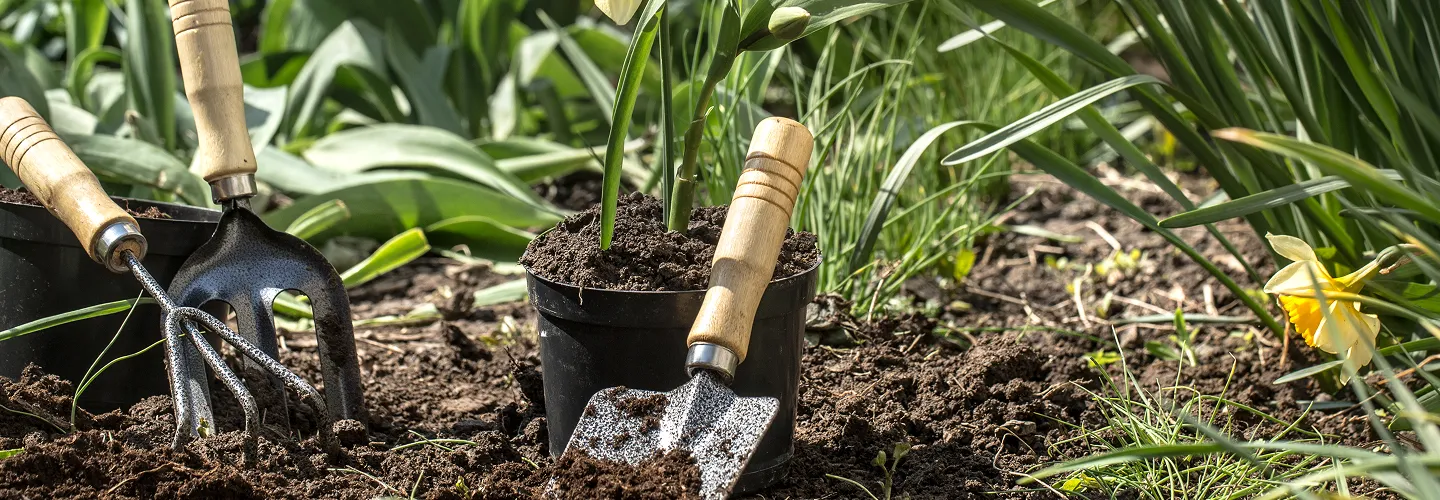
Verandah Flower Planting Services
Choose our Flower Planting services to enjoy expertly selected and arranged flowers that thrive in your verandah, adding vibrant color, lasting beauty, and a welcoming atmosphere to your home.
Get a Free QuoteOur Verandah Landscaping & Yard Care Services
When to Schedule Flower Planting in Verandah, Florida – Seasonal Guide
In Verandah, Florida, timing your flower planting is crucial for vibrant, long-lasting blooms. The region’s subtropical climate means mild winters and hot, humid summers, so the best planting windows are typically late fall through early spring. Planting during these cooler months allows roots to establish before the intense summer heat arrives. Neighborhoods like River Village and Cypress Grove benefit from proximity to the Orange River, which can influence soil moisture and microclimates.
Local environmental factors such as late-winter frost risk, high summer humidity, and sandy soils play a significant role in determining the optimal planting schedule. Areas with dense shade from mature oaks or palms, common in Verandah’s golf course communities, may require shade-tolerant varieties and careful placement. For more information on local planting guidelines and municipal considerations, visit the official resource.
Local Factors to Consider for Flower Planting in Verandah
- Tree density and shade coverage in neighborhoods like Willow Bend
- Soil type, especially sandy or well-draining soils near the Orange River
- Average precipitation and risk of seasonal drought
- Frost dates, typically late January to early February
- Municipal restrictions or HOA guidelines on landscaping
- Terrain variations, such as low-lying areas prone to standing water
Benefits of Flower Planting in Verandah
Enhanced Curb Appeal
Improved Air Quality
Natural Stress Relief
Attracts Pollinators
Seasonal Color Variety
Low Maintenance Landscaping
Verandah Flower Planting Types

Container Gardening
-
Hanging Basket Displays
-
Vertical Flower Walls
-
Window Box Arrangements
-
Raised Bed Plantings
-
Mixed Border Plantings
-
Seasonal Color Rotations
Our Flower Planting Process
Site Evaluation
Soil Preparation
Flower Selection
Planting
Watering and Mulching
Why Choose Verandah Landscape Services
Verandah Homeowners Trust Us
-
Expert Lawn Maintenance
-
Reliable Irrigation Solutions
-
Comprehensive Tree Care
-
Seasonal Clean-Up Services
-
Pest and Weed Control
-
Competitive Pricing
-
Satisfaction Guarantee
Coordinating Flower Planting Projects with Verandah's Community Development District
Verandah is a master-planned community in unincorporated Lee County governed by its own Community Development District (CDD), which oversees landscaping standards, irrigation infrastructure, wetlands, and stormwater systems throughout the development. Before initiating any flower planting project—whether in front-yard beds, common-area borders, or lots adjacent to preserves—residents and property managers should confirm that proposed plantings align with CDD landscape guidelines and the Verandah Community Association's architectural review process. The CDD manages shared irrigation facilities that supply reclaimed or non-potable water to many residential lots, and any modification to bed layout or emitter placement near those systems requires coordination.
- Verify planting plans with the Verandah Community Association's architectural review before installing new flower beds or altering existing bed footprints.
- Confirm irrigation tie-in compatibility with the CDD's irrigation infrastructure, particularly for lots served by community-managed supply lines.
- Avoid placing soil amendments, mulch, or plant debris near stormwater inlets, retention ponds, or wetland buffer zones maintained by the district.
Verandah Community Association
Official Website: Verandah Community Association
Verandah Community Development District
Official Website: Verandah Community Development District
How Verandah's Gulf Coast Climate and Soils Shape Flower Planting Success
Verandah sits within USDA Hardiness Zone 10a, characteristic of southwest Florida's Gulf Coast subtropical climate. This classification supports a wide palette of warm-season and tropical flowering species but also imposes specific constraints that directly affect planting outcomes. Residents should account for the following local conditions:
- Sandy, low-nutrient soils: Much of Verandah was developed on sandy fill and native sandy substrates common to Lee County. These soils drain rapidly but retain very little moisture or nutrients, requiring organic amendment at planting time and consistent irrigation afterward. The USDA Web Soil Survey can help identify the specific soil series present on individual parcels.
- Intense summer heat and humidity: Daytime temperatures regularly exceed 90°F from May through September, and humidity levels remain elevated. Flowers must tolerate prolonged heat exposure, and beds near south- or west-facing walls experience reflected heat that can exceed ambient temperatures significantly.
- Wet-season rainfall and drainage sensitivity: Verandah receives the majority of its annual rainfall—often 50 inches or more—between June and October. Flower beds must drain adequately to prevent root rot, and excess irrigation runoff can carry nutrients into the community's retention ponds, lakes, and wetland preserves. The UF/IFAS guide to protecting Florida's water resources outlines practices that reduce nutrient loading from residential landscapes.
Navigating Lee County Regulations and Verandah Standards for Flower Planting
Flower planting in Verandah involves compliance at multiple levels: Lee County land development regulations, CDD infrastructure rules, and community association covenants. While individual flower bed installations on private residential lots do not typically require a building permit, several regulatory considerations apply.
- Any project that alters grading, drainage flow, or impervious surface area near stormwater infrastructure may trigger review by the CDD's engineering and infrastructure services. Verify current requirements with the district before regrading bed areas adjacent to swales, retention ponds, or preserve buffers.
- Lee County enforces fertilizer application restrictions consistent with Florida Statutes §403.9337, which establishes a model ordinance for Florida-Friendly fertilizer use on urban landscapes. Fertilizer applied during flower bed preparation or maintenance must comply with these seasonal and application-rate restrictions.
- If any pest-control products are applied to flower beds by a commercial operator, that applicator must hold valid certification through the Florida Department of Agriculture and Consumer Services as required under Chapter 487 of the Florida Statutes.
- The Florida DEP NPDES Stormwater Program governs discharge into municipal separate storm sewer systems; soil, mulch, and chemical runoff from planting projects must not enter stormwater conveyances.
Lee County Community Development Department
Official Website: Lee County Community Development Department
Timing and Methods for Flower Planting in Verandah's Subtropical Growing Seasons
Professional flower planting in Verandah follows two primary installation windows aligned with the region's climate cycle. The cooler dry season—roughly November through April—is optimal for establishing cool-season annuals such as petunias, snapdragons, and impatiens, which benefit from moderate temperatures and lower humidity. Warm-season and tropical species, including pentas, lantana, firebush, and plumbago, establish well when planted in late spring before the heaviest rains arrive, allowing root systems to develop with natural rainfall support.
- Soil preparation: Amend sandy native or fill soils with composted organic matter to improve moisture retention and nutrient availability. Incorporate amendments to a depth of six to eight inches for annual beds and eight to twelve inches for perennial installations.
- Irrigation coordination: Confirm that drip emitters or micro-spray heads provide uniform coverage across the planting zone. Adjust run times seasonally and follow EPA WaterSense outdoor guidelines to minimize waste. Verandah's CDD-managed irrigation infrastructure may impose scheduling parameters that affect watering windows.
- Mulch application: Apply two to three inches of organic mulch around plantings to moderate soil temperature, suppress weeds, and reduce evaporation. Keep mulch pulled back from plant stems to prevent crown rot in humid conditions.
- Species selection: Choose plants rated for Zone 10a that tolerate sandy soils, high humidity, and periodic heavy rain. Native and Florida-Friendly species reduce irrigation demand and support local pollinators. Consult the USDA Plant Hardiness Zone Map to confirm zone-appropriate selections.
Verandah Utilities and Stormwater Services
Official Website: Verandah Utilities and Stormwater Services
What Neighborhoods Do We Serve Throughout Verandah, FL?
- Courtyard Estates: Larger homesites with expansive bed areas along entry walks and lanais, often requiring coordinated irrigation zones for both turf and flower plantings.
- The Veranda: Paired villa-style homes where shared landscape frontages benefit from unified planting palettes and consistent mulch management between adjoining lots.
- Palmetto Point: Lots adjacent to interior lakes and retention areas where flower bed drainage must be managed carefully to prevent nutrient runoff into surface water.
- Edgewater: Homes bordering preserve and wetland buffers, requiring species selections that respect native habitat transitions and CDD buffer-zone restrictions.
- Stillwater: Properties with canal or waterway proximity where bed preparation and fertilizer application demand heightened stormwater awareness.
- Mangrove Walk: Compact homesites where efficient bed layouts and drip irrigation maximize planting impact within limited landscape footprints.