
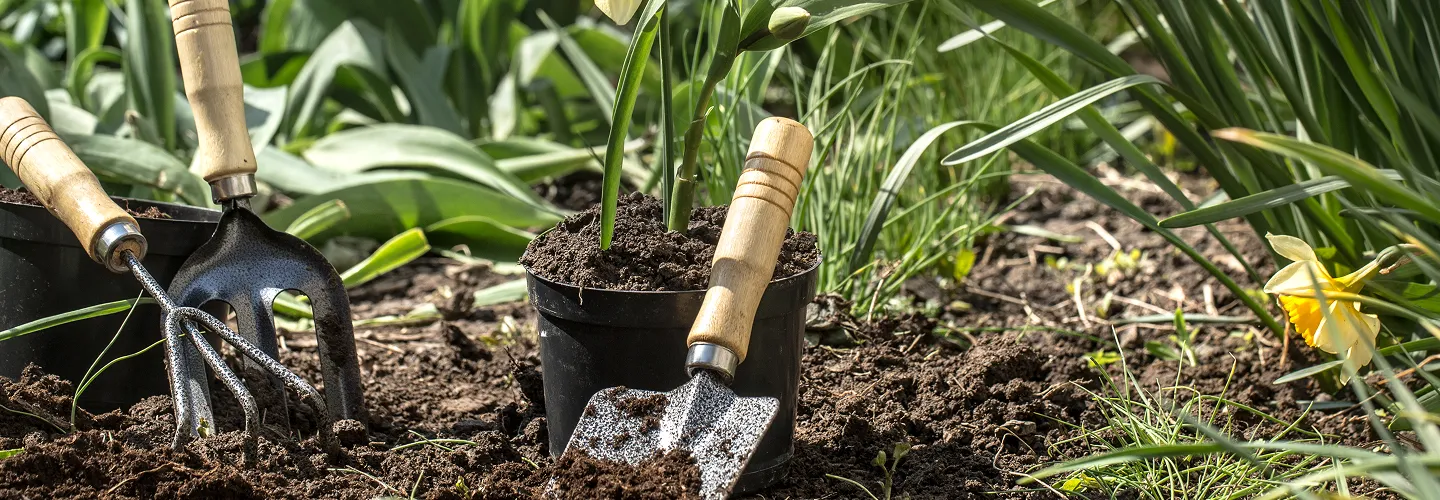
Verandah Pruning Services
Choose our expert pruning services to ensure your verandah plants thrive with health and elegance. Our skilled team uses precise techniques to promote growth, prevent disease, and create a stunning outdoor space tailored to your vision.
Get a Free QuoteOur Verandah Landscaping & Yard Care Services
When to Schedule Pruning in Verandah, Florida – Seasonal Guide
In Verandah, Florida, the best time to schedule pruning is typically during the late winter to early spring months, just before new growth begins. This timing allows for optimal plant health and encourages robust regrowth, especially given our region’s subtropical climate and the unique landscape features found in neighborhoods like Cypress Grove and River Village. The mild winters and early springs in Verandah mean that frost risk is minimal, but it’s still important to avoid pruning during the rare cold snaps that can occur in January or February.
Local environmental factors such as high humidity, periodic drought conditions, and the sandy, well-draining soils common to the area all play a role in determining the best pruning schedule. Properties near the Orange River or shaded by mature oak canopies may require different timing compared to more open lots. Additionally, homeowners should be aware of municipal guidelines and seasonal restrictions, which can be found on the official town website, to ensure compliance and protect the health of their landscape.
Local Factors to Consider for Pruning in Verandah
- Tree and shrub density on your property
- Proximity to water features like the Orange River
- Soil type and drainage characteristics
- Seasonal precipitation and drought risk
- Shade coverage from mature trees
- Neighborhood-specific municipal restrictions
Benefits of Pruning in Verandah
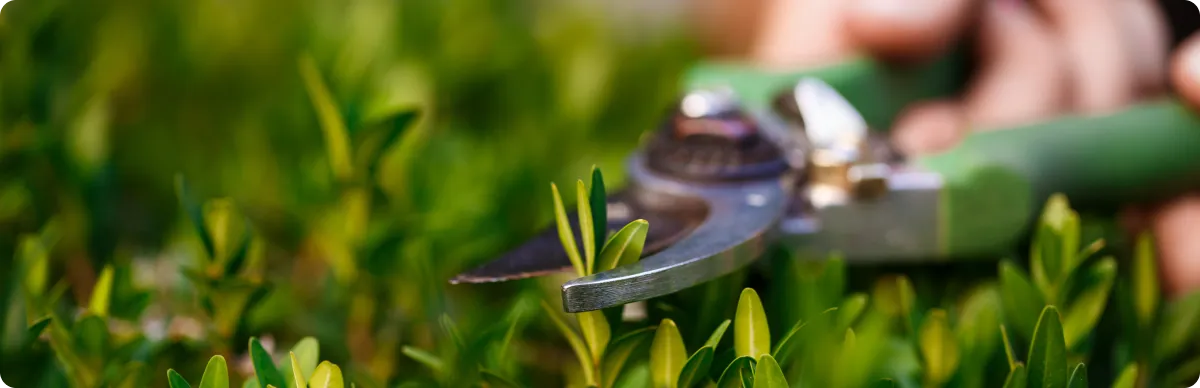
Enhanced Plant Health
Improved Aesthetic Appeal
Increased Sunlight Exposure
Pest and Disease Prevention
Promotes New Growth
Customized Landscape Design
Verandah Pruning Types

Crown Thinning
-
Crown Reduction
-
Crown Lifting
-
Deadwooding
-
Formative Pruning
-
Pollarding
-
Topiary Shaping
Our Pruning Process
Site Evaluation
Plant Selection
Strategic Cutting
Debris Removal
Why Choose Verandah Landscape Services
Verandah Homeowners Trust Us
-
Expert Lawn Maintenance
-
Reliable Irrigation Solutions
-
Comprehensive Tree Care
-
Seasonal Clean-Up Services
-
Pest and Weed Control
-
Competitive Pricing
-
Satisfaction Guarantee
Coordinating Pruning Activities with Verandah's Community Development District and Association
Verandah is a master-planned community in unincorporated Lee County governed by a Community Development District (CDD) and a Community Association (VCA). Because the CDD manages common-area landscaping, stormwater systems, wetlands, and irrigation infrastructure, residents should coordinate with district administration before pruning trees or large shrubs that border community-maintained areas. The VCA oversees architectural review and neighborhood appearance standards, meaning pruning that alters the visible profile of front-yard or streetside plantings may require prior approval. Key coordination steps include:
- Confirming whether the tree or shrub is on private property or within a CDD-maintained common area or easement
- Reviewing VCA architectural guidelines before removing significant canopy or reshaping hedgerow plantings along roadways
- Reporting storm-damaged limbs that overhang community sidewalks, trails, or stormwater conveyances to the CDD for evaluation
- Verifying that pruning debris disposal follows Lee County vegetative waste collection rules rather than being deposited in swales, canal banks, or retention areas
Verandah Community Development District Administration
Official Website: Verandah Community Development District Administration
Verandah Community Association
Official Website: Verandah Community Association
How Verandah's Gulf Coast Climate and Soils Influence Pruning Decisions
Verandah sits within USDA Hardiness Zone 10a along southwest Florida's Gulf Coast corridor, where subtropical heat, high humidity, and a pronounced wet season from June through October drive rapid vegetative growth. These conditions directly shape pruning requirements:
- Accelerated canopy expansion: Species such as live oak, black olive, royal poinciana, and various palms produce vigorous flushes during the warm, wet months, often requiring structural pruning to manage clearance over walkways, driveways, and utility lines.
- Fungal and bacterial pressure: Sustained humidity and afternoon thunderstorms create ideal conditions for diseases like sooty mold, bacterial leaf scorch, and various canker infections. Pruning cuts made during peak wet season may heal slowly and invite pathogen entry.
- Sandy, poorly retentive soils: The predominantly sandy soils common in Lee County subdivisions drain quickly but offer limited nutrient retention, meaning trees stressed by improper pruning may recover more slowly than in richer soil profiles. The USDA Web Soil Survey can help property owners identify site-specific soil characteristics.
- High water table and stormwater sensitivity: Verandah's network of retention ponds, lakes, and engineered swales means that pruning debris left on the ground near drainage features can obstruct flow paths or introduce organic loading into stormwater systems managed under Florida DEP's NPDES Stormwater Program.
Navigating Lee County Regulations and Verandah's Standards for Tree Pruning
Because Verandah is located in unincorporated Lee County, tree-related regulations fall under county jurisdiction rather than a municipal code. Lee County's Land Development Code includes provisions for protected and specimen trees, and property owners should verify current requirements with the county before removing major limbs or significantly reducing canopy coverage. Key regulatory considerations include:
- Lee County may require review or mitigation when pruning activities effectively destroy a protected tree through excessive crown reduction; confirm thresholds with the Lee County Community Development Department
- The VCA's architectural review process may impose additional appearance standards that go beyond county minimums, particularly for front-yard and streetside trees
- Pruning contractors who apply wound sealants, fungicides, or insecticides to cut surfaces must hold appropriate credentials under FDACS Pesticide Applicator Certification and Licensing requirements
- Vegetative debris from pruning must not be deposited into retention ponds, canal edges, or stormwater conveyances, consistent with Clean Water Act discharge protections
Lee County Community Development Department
Official Website: Lee County Community Development Department
Timing and Methods for Pruning Trees and Shrubs in Verandah's Subtropical Environment
Professional pruning in southwest Florida follows timing and technique standards adapted to the region's growth cycles and storm exposure. Structural pruning—removing crossing branches, co-dominant stems, and weak attachments—is most effective during late winter or early spring (February through April) when trees are entering active growth and can compartmentalize wounds efficiently. Storm-preparation pruning should be completed before the Atlantic hurricane season begins on June 1, focusing on:
- Thinning dense canopies to reduce wind resistance without removing more than approximately 25 percent of live crown in a single session
- Eliminating dead, diseased, or damaged wood using clean, sanitized cutting tools to reduce pathogen transmission between trees
- Making proper reduction cuts back to lateral branches at least one-third the diameter of the removed limb, avoiding flush cuts or stub cuts
- Raising lower canopy only as needed for pedestrian clearance, vehicle access, or line-of-sight along roadways and intersections
Palm pruning follows distinct guidelines: UF/IFAS recommends removing only fully brown, dead fronds and avoiding "hurricane cuts" that strip green fronds above the horizontal plane. Over-pruning palms weakens the crown shaft and reduces the tree's ability to withstand high winds. For flowering trees such as crape myrtle or tabebuia, pruning immediately after bloom preserves the following season's flower production. Residents should also ensure that pruning around Verandah's stormwater and irrigation infrastructure does not damage sprinkler heads, valve boxes, or drainage structures embedded near tree root zones.
What Neighborhoods Do We Serve Throughout Verandah, FL?
- Courtyard Estates: Compact homesites with mature ornamental trees and palms that benefit from regular structural pruning to maintain clearance over courtyards and shared landscape areas.
- The Estates at Verandah: Larger lots with established live oaks and shade trees where canopy management is essential for turf health and storm preparedness along wider setbacks.
- Verandah West: Properties adjacent to preserve areas and wetland buffers where pruning must respect environmental setbacks and avoid disturbing native vegetation corridors.
- The Colony: Lake-adjacent homesites where canopy thinning supports views while protecting retention pond banks from debris accumulation and root-zone disturbance.
- Cascades: Homes near community trail corridors requiring periodic clearance pruning to maintain safe pedestrian and bicycle passage along shared pathways.
- Mangrove Bay: Waterfront-oriented properties where salt-tolerant species and palms require species-appropriate pruning techniques adapted to coastal wind exposure.